
Dustin’s Words
A story about helping the ones we love
Exec Summary
Brand
N/A
Role & Responsibilities
Creator, Designer, Strategist, Brother
Why
Dustin is my 30 year old autistic brother. He was born with little to no oxygen in his body and had 2 open heart transplants in the first 10 years of his life. Growing up, I always said that if a Magic Genie ever granted me 3 wishes, I’d only need one. Help my brother be ‘normal’. I’ve come to realize that there is no such thing as normal and in fact, he is more normal than I am. But at least I could help him mildly communicate what he wants/needs. Help make his life a little less stressful. This device is the solution to this internal struggle I’ve been having and the life my brother has lived with for 30 years.
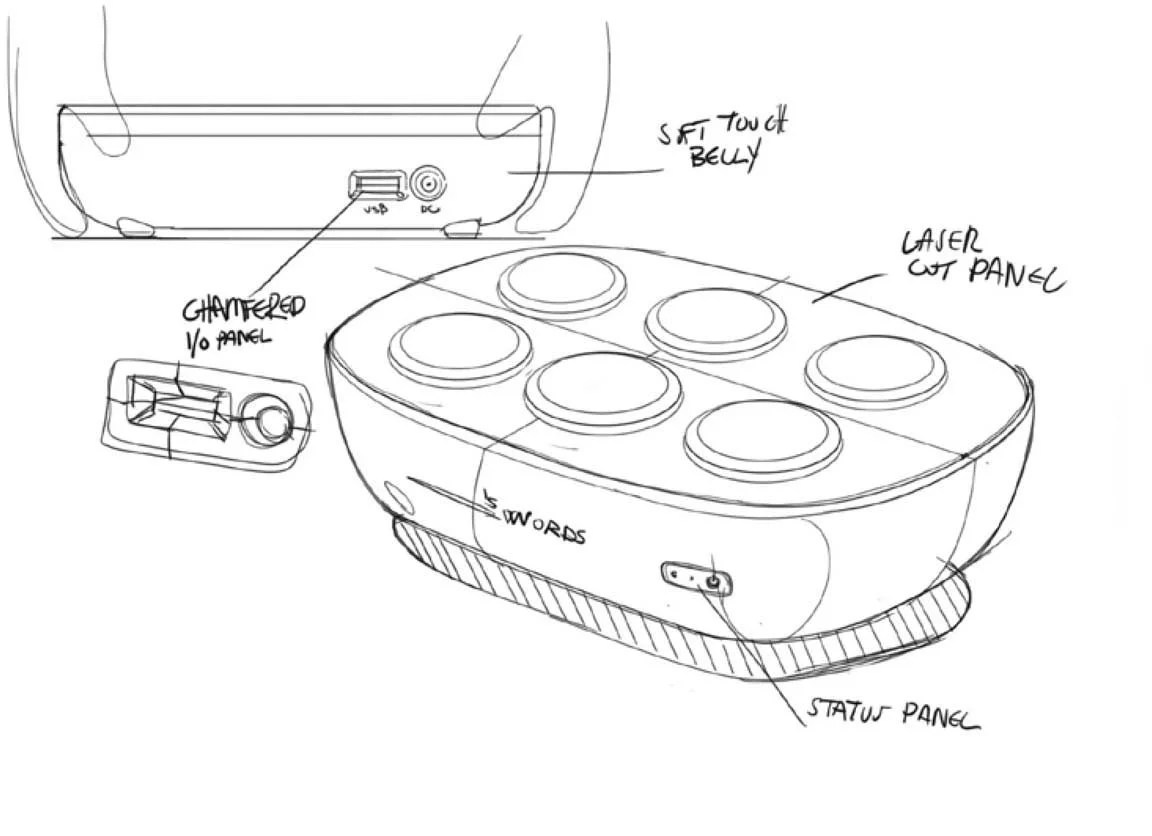
Dustin’s favorite past time is laying down and watching TV in his room. He loves it. This takes up close to 50% of his day and while he has developed a language that him and my mom understand slightly, it takes much effort and time to get his thoughts out into actions or words. In designing this experience for him I learned much more about him then I had known. This device had to be simple to use, not intimidating at the sight of it, iconographic language and a similar textile to what he is used to in his everyday life.
Dustin’s Words V1 Design
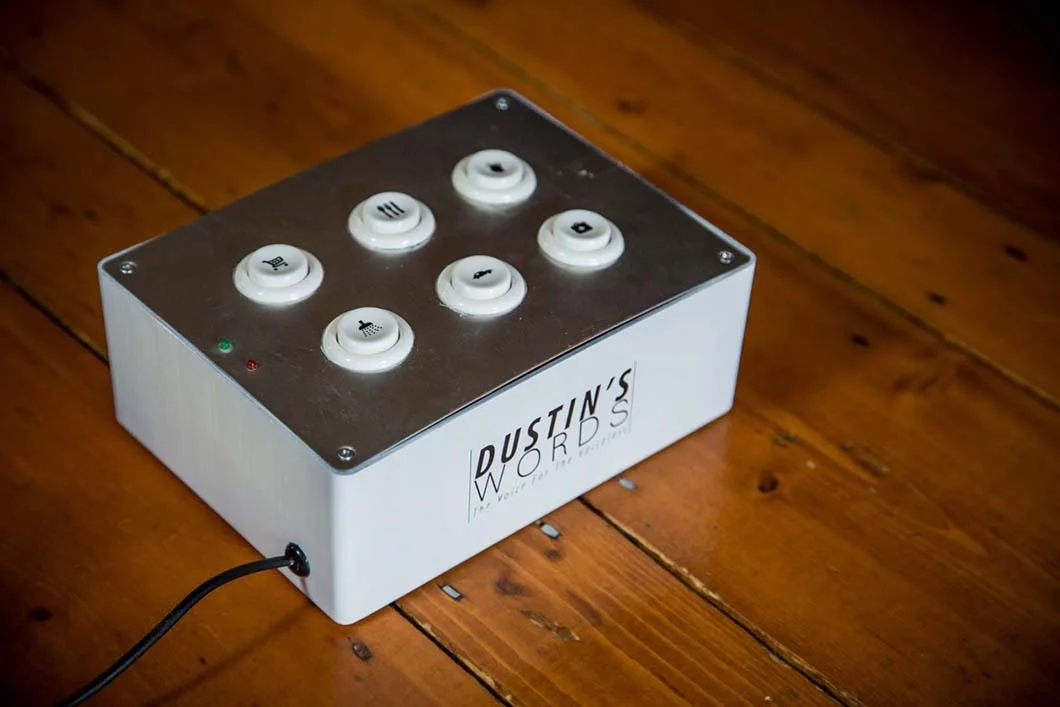
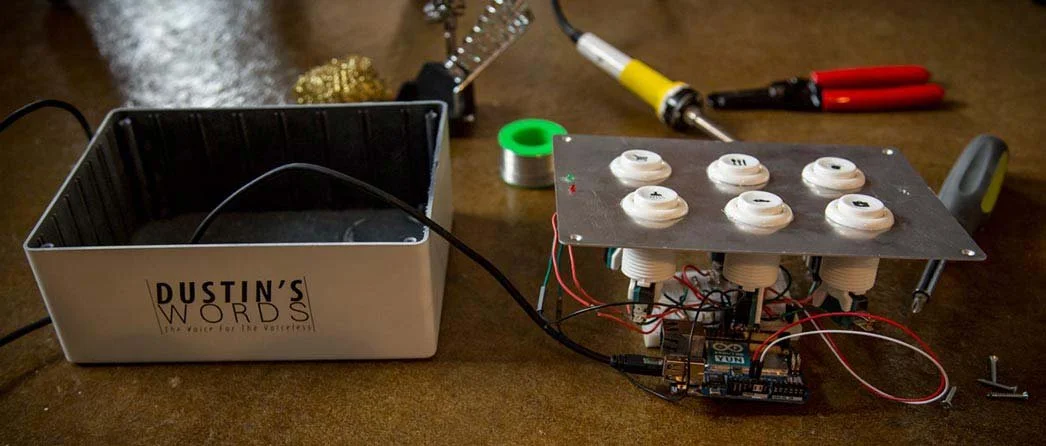
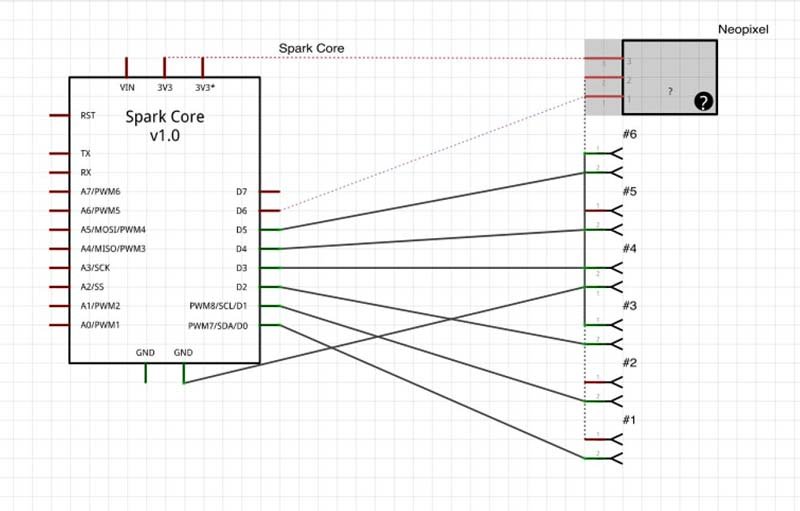
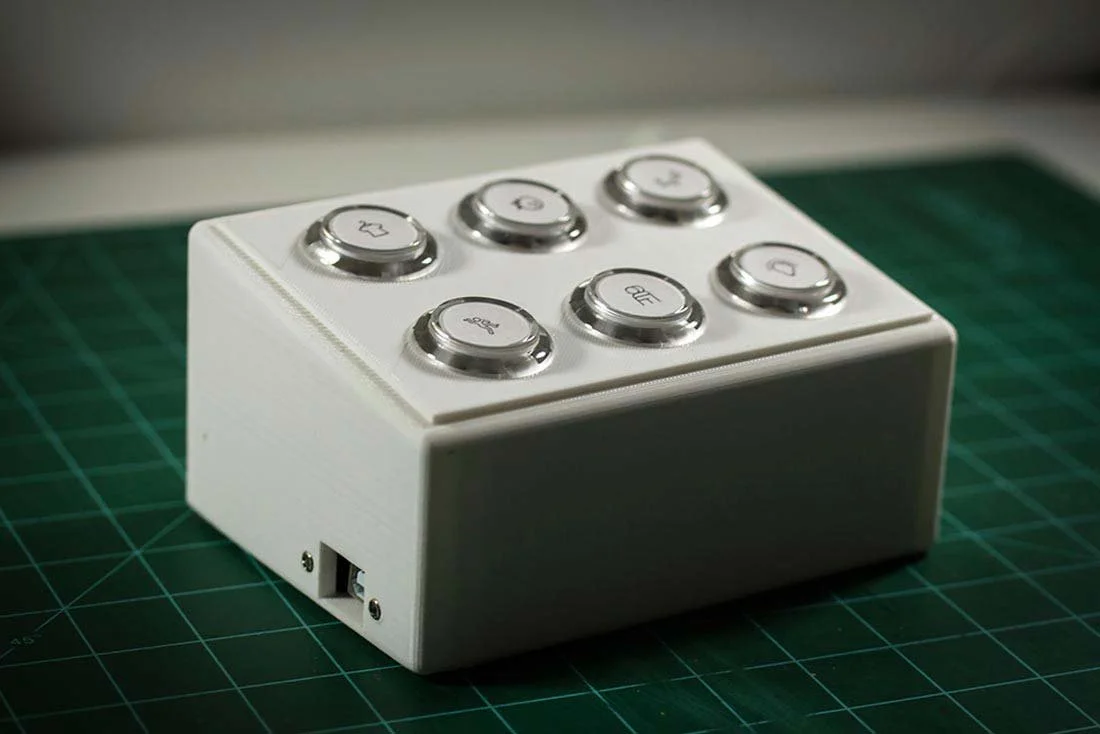
The idea was that it would be mounted on his wall, enabling him to hit one of the buttons that would send a text message to that actions dictated recipient. The choice to use arcade buttons in the design was due to their large size which minimize errors and incorrect button hits. Also, they are a familiar textile to him. Playing video games everyday, it’s something he’s comfortable with which is really important in someone who is autistic. The metallic surface is smooth to his touch and the all white external shell is soft on his eyes. The iconography language is very similar to the graphics he was shown in school and the everyday objects/feelings associated with them. A universal language you could say.
On-Going Testing & Iteration
We' ve went back to Richmond, VA from LA, and had a blast observing Dustin use his new and improved prototype device. He helped key us in on what we are doing right, what we can improve and also bringing functionality and features ideas to our heads that we had not previous thought of. It’s always super insightful to see someone use your product and see their successes and struggles.
We've also tried to test the device with others that have different complications in life that affects their verbal ability. A few families in LA were very helpful in providing us with insights and different perspective on how we could improve the functionality and utility of Dustin's Words.
As we looked through the current competitive landscape and discussed it with parents, caregivers, teachers and physicians, we found a niche in where we could fit. We found that our device comes way under the beginning prices of most on the current market and have less dependencies. Also, with Dustin's Words having the ability to send SMS messages, we can say that ours is the only AAC device on the market that allows this form of long distance communication and we are actively working to improve and add features everyday.
Thinking about every step of the process for every user and how we can make this product well rounded and to ultimately serve every person involved in the device owner's life. We wanted to create a way for the caregivers, teachers, parents and physician to become more aware and understanding of what the child is in need of or feeling. Making the device easy to set up is also a use case in which we concepted and created many flows for.
A wall full of awesomeness is what we have in the photo below. We tried to document our entire design process. We felt like transparency in our design process is imperative to meet our goal of attracting others in the community to help where they can. An inexpensive solution for nonverbal inexpensive communication is not going to be built by people in an office, but by many passionate people all over the world who have a vested interest in helping the people they love. This is why we open sourced everything we did.
This transparency helped us refine the Dustin’s Words device quicker. We could quickly gather input from really smart people and perspective from actual users/caregivers.
V2 Functionality Additions
Once we were ready to take it to the next level, we began working closely with and added a new member to the team that specializes in product/industrial design. Emmanuel (Industrial Designer) was a huge asset to us in thinking about Dustin’s Words as an actual scaleable product.
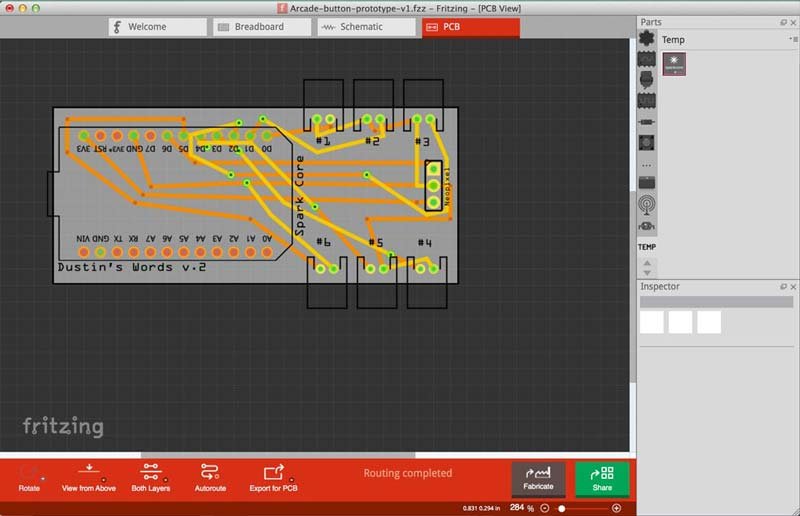
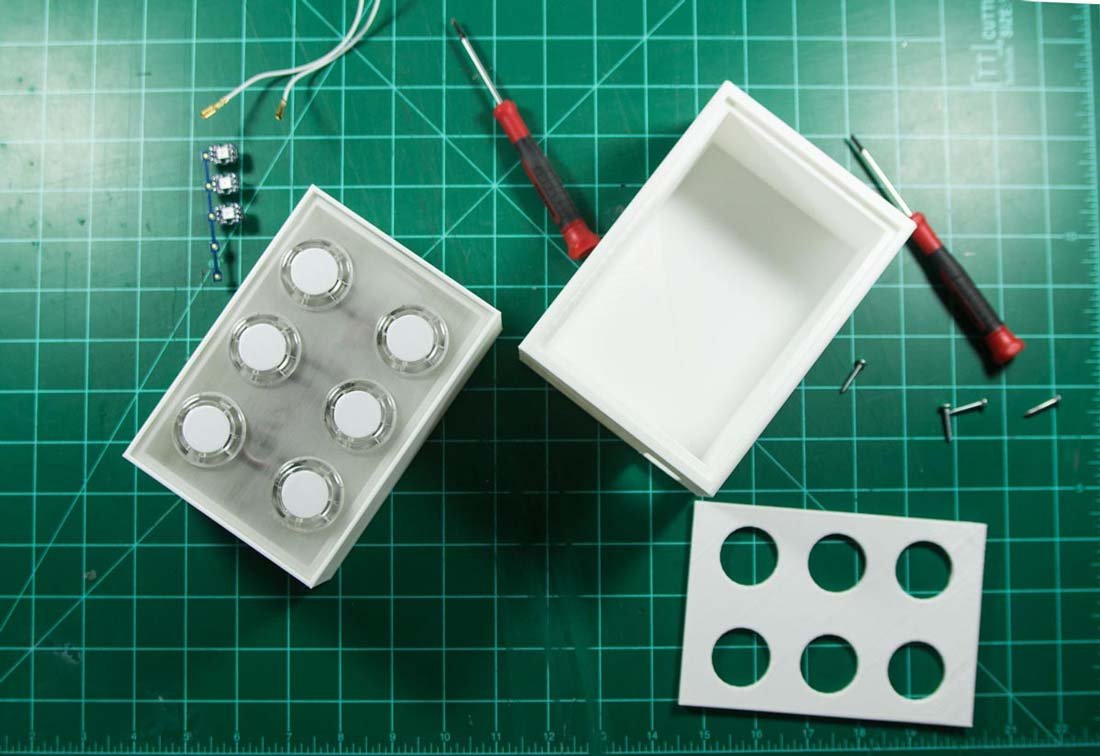
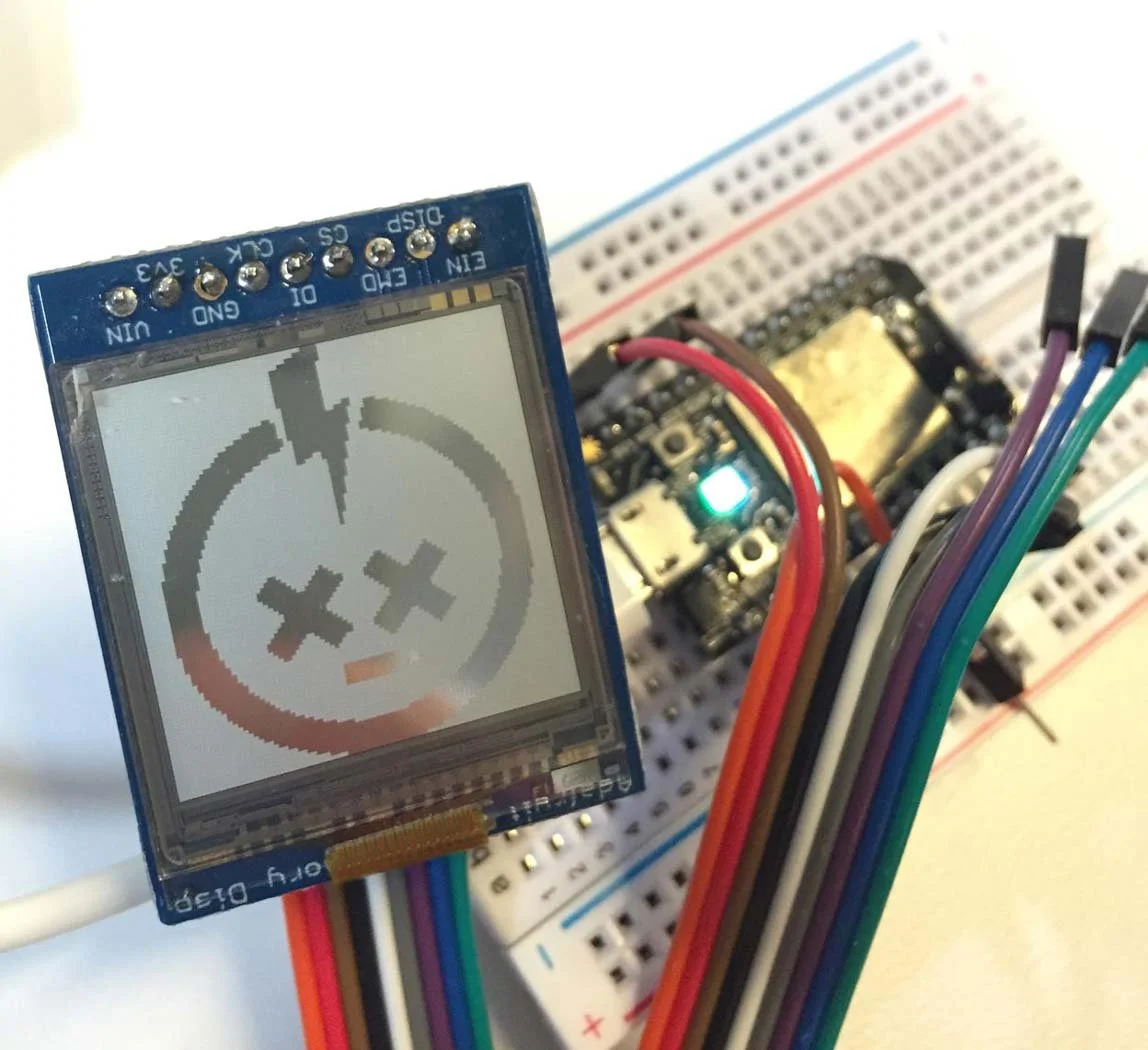
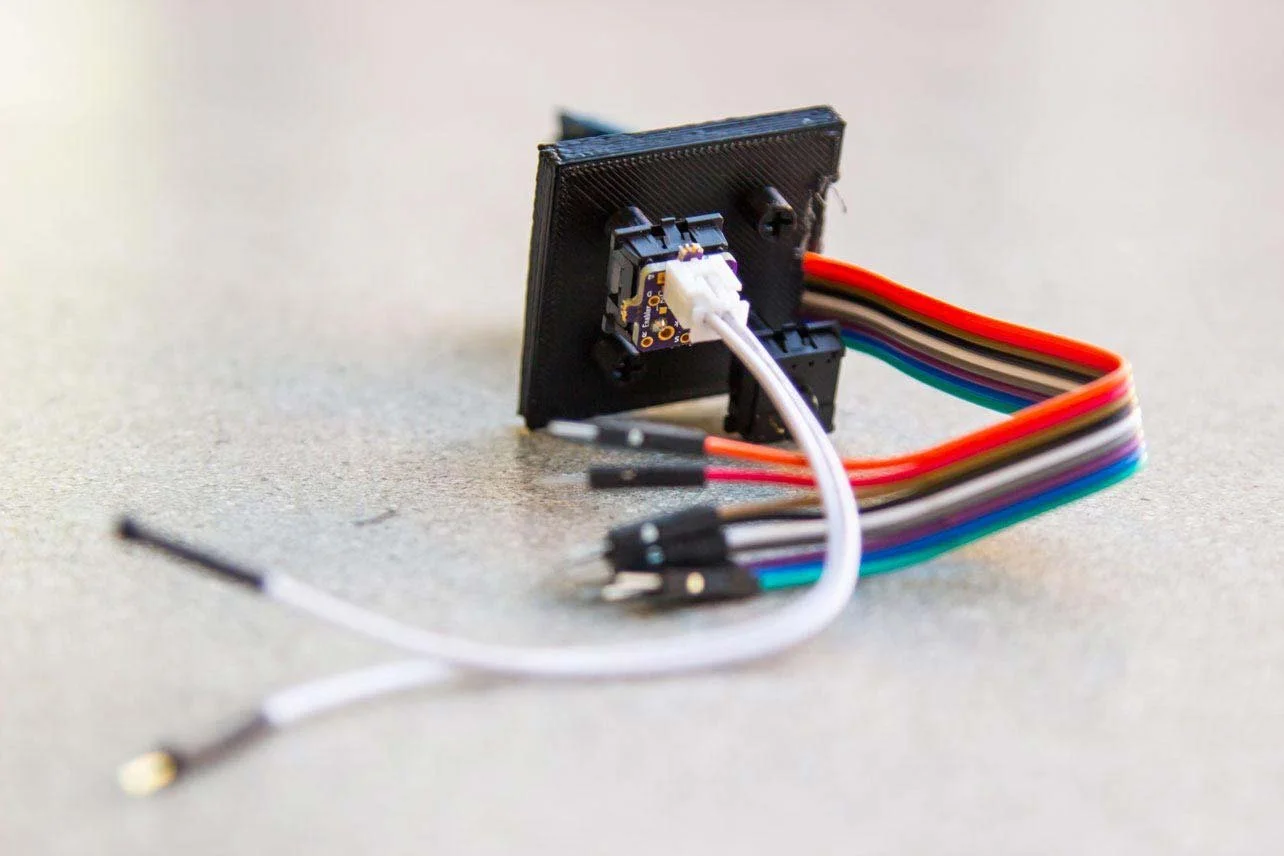
We even tested out some new button styles. The V1 used analog arcade buttons with manual cut and inserted icon paper. While this tested well and worked great as a low-fi means of communication, there had to be a more systematized way to create these. Our big idea was for caregivers to have the ability to swap out icons as they need through a web app and the digital button displays also give us the ability to open the device up to two way communication, not just one.
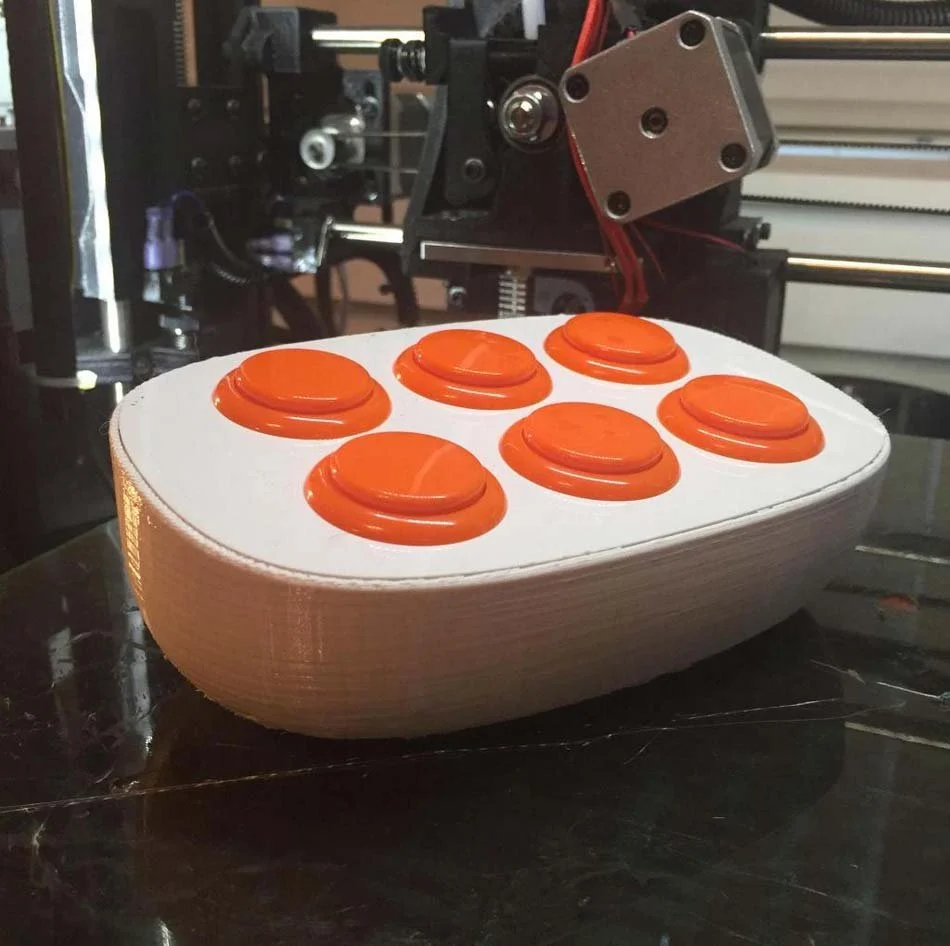
What we have pictured below is an exploration we have been taking which mashed an LED display and cherry switch keyboard keys. We combined these 2 with a 3D printed enclosure. As we looked for off the shelf solutions, we didn’t find anything that fit our visions.
Press Coverage
As I began to write freelance for Smashing Magazine , I wanted to make this my first published article. One because it was so close to my heart and second because I think the application of basic User-Centered Design principles could really shed some light on the subject for beginners in a way they could relate too.
In December 2014 I spoke at the Accessibility Camp in LA held at Belkin’s HQ. I had so much fun learning about accessibility best practices in web and application design as well as got to share my story and take on designing for the disabled. After, I was asked to attend the next camp and speak up in San Francisco at Linkedin HQ which was really exciting.